
Wharton's Jelly Therapy in
Warwick, RI
Exploring the Regenerative Potential of Umbilical Cord Tissue
What if some of the most interesting discoveries in regenerative medicine begin at birth?
Wharton's jelly is a specialized connective tissue found within the human umbilical cord. Rich in structural proteins, extracellular matrix components, and naturally occurring cellular signaling molecules, this unique tissue has attracted growing attention in regenerative medicine.
At Wellness Today in Warwick, Rhode Island, we help patients explore advancements in stem cell science, umbilical cord-derived biologics, and personalized regenerative medicine.
Led by Danelle DeBye, MSN, APRN, a dual board-certified nurse practitioner with more than 20 years of healthcare experience, our approach combines regenerative medicine knowledge with individualized, whole-body care.
Interested in learning more about Wharton's jelly? Schedule a complimentary consultation.

What Is Wharton's Jelly?
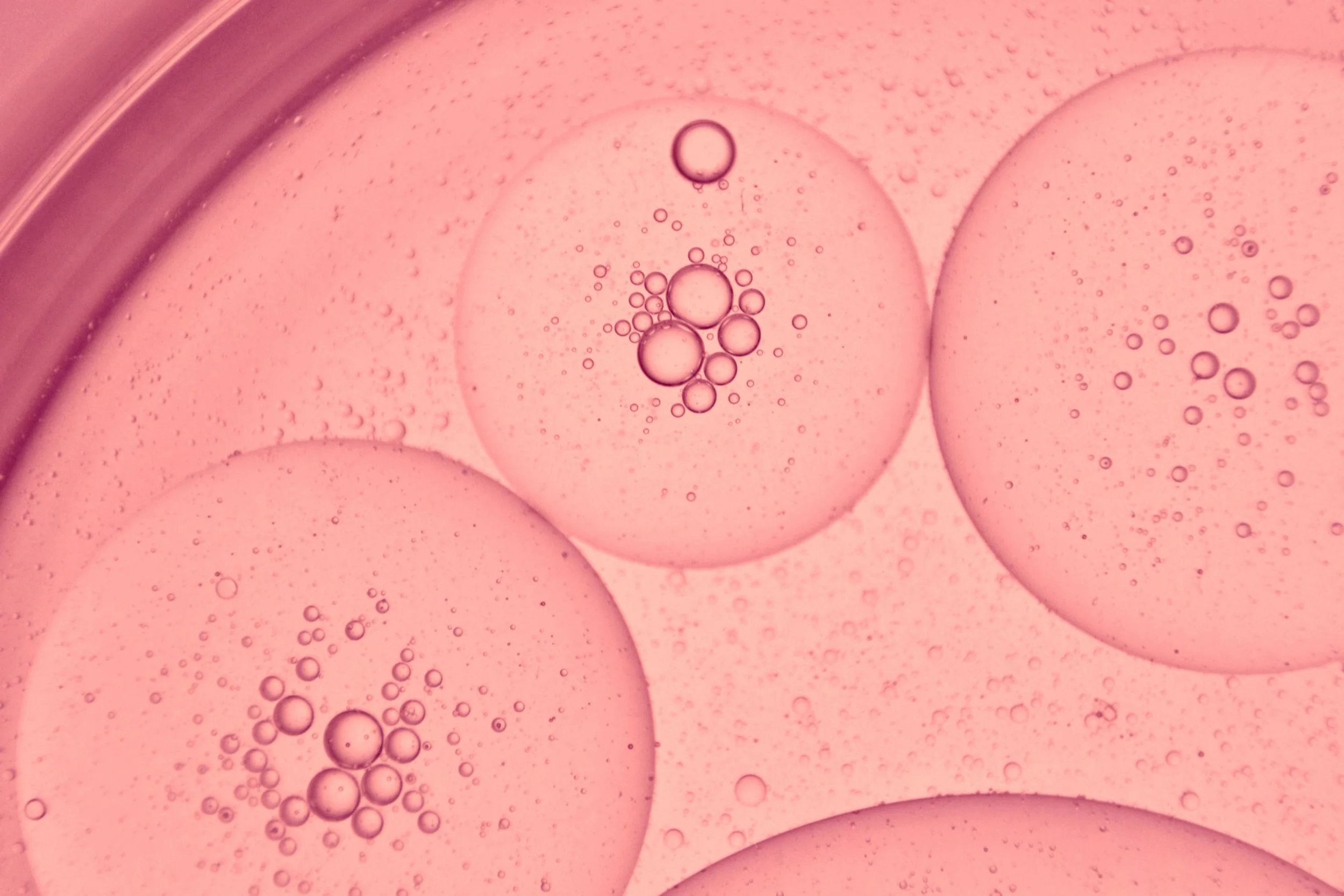
Wharton's jelly is the gelatinous connective tissue surrounding and protecting the blood vessels inside the umbilical cord.
Its natural composition includes:
Collagen: Structural proteins that provide tissue strength and support.
Hyaluronic Acid: A naturally occurring substance involved in hydration and tissue structure.
Extracellular Matrix: A network of proteins and other molecules that provides the physical environment surrounding cells.
Growth Factors and Signaling Molecules: Biological components involved in cellular communication.
Mesenchymal Stromal Cells (MSCs): Cell populations found in native umbilical cord tissue that are being studied for their biological properties.
Because of this unique composition, Wharton's jelly has become an important area of interest in tissue engineering and regenerative medicine.
Why Are Umbilical Cord-Derived Cells Being Studied?
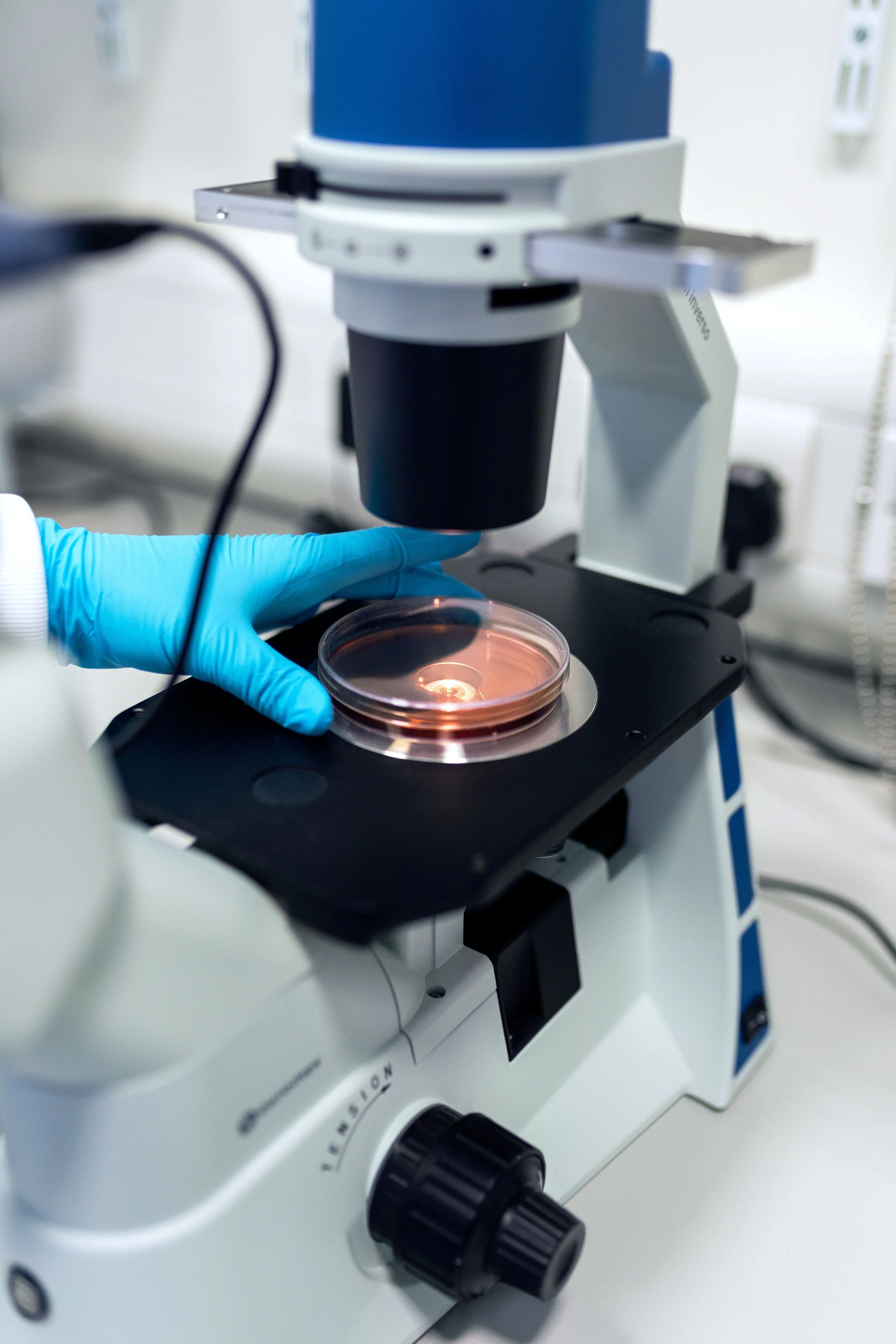
One of the most interesting characteristics of mesenchymal stromal cells is their ability to communicate with surrounding cells through the release of signaling molecules.
Research is investigating how these signals influence:
Inflammatory pathways and immune activity
Cellular communication
Tissue repair responses
Extracellular matrix organization
The body's natural tissue-maintenance processes
Umbilical cord-derived MSCs have also demonstrated substantial growth and differentiation capabilities in laboratory studies.
Where Does Our Donor-Derived Tissue Come From?
At Wellness Today, we believe patients deserve transparency about the origin and quality of biological materials.
Our perinatal tissue supplier reports sourcing from healthy, full-term births in the United States, using voluntary donations with informed maternal consent.
Its donor qualification procedures include:
Healthy maternal donors between 18 and 25 years old
Full-term Cesarean deliveries
Three-generation family medical history review
Medical and lifestyle screening
Maternal infectious disease testing
Collection and laboratory processing documentation
The supplier also describes a 14-day quarantine and testing process before product release.
These screening and processing procedures are important quality considerations, although they do not eliminate every potential risk.
Why Processing, Preservation & Chain of Custody Matter
Not all umbilical cord-derived products contain the same biological components.
1
Some are structural tissue matrices. Others contain isolated cells, and still others contain extracellular vesicles or cell-derived substances. The way a product is collected, processed, preserved, and stored influences its final composition.
Tissue Integrity
Processing methods determine which structural proteins, extracellular matrix components, and other biological materials remain in the finished product.
2
Cryopreservation
3
Specialized freezing and storage methods are used to help preserve the characteristics of biological materials until they are needed.
Cell Viability
For products intended to contain living cells, testing should distinguish total cell counts from viable cells remaining after thawing.
4
Traceability documentation follows donated tissue through collection, processing, storage, and distribution. These details matter because products marketed under similar regenerative medicine terminology can be biologically very different.
Chain of Custody
5
What Conditions Are Being Investigated?
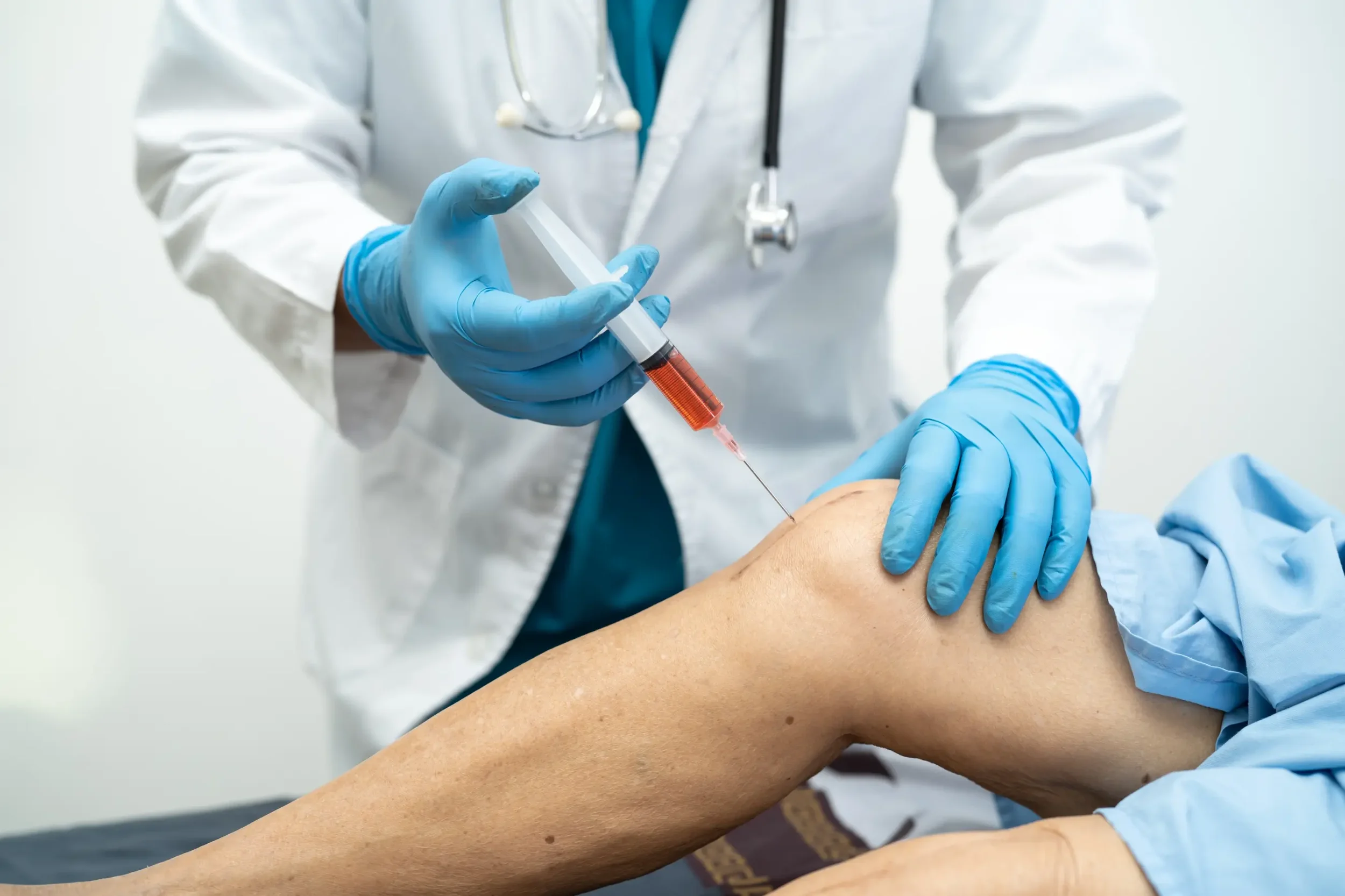
Wharton's jelly-derived cells and related regenerative technologies are being studied in areas such as musculoskeletal health, tissue engineering, inflammation, and immune regulation.
Researchers are exploring how specific cellular preparations and signaling pathways might contribute to future approaches for tissue injury and complex health conditions.
These applications remain investigational. Wharton's jelly products are not FDA-approved to treat arthritis, chronic pain, autoimmune disorders, neurological conditions, or other diseases.
Serving Patients Throughout Rhode Island
Located in Warwick, Wellness Today welcomes patients from Cranston, East Greenwich, West Warwick, Coventry, North Kingstown, South Kingstown, Providence, Johnston, Smithfield, Newport, and surrounding Rhode Island communities.
We also welcome individuals traveling from nearby Massachusetts and Connecticut seeking personalized regenerative medicine consultations.

Personalized Regenerative Medicine Consultations
At Wellness Today, regenerative medicine begins with understanding you.
We review your medical history, current concerns, previous treatments, and goals. We discuss relevant regenerative technologies, clinical evidence, appropriate alternatives, and realistic expectations.
Our approach combines individualized clinical assessment with attention to tissue quality, product sourcing, and long-term wellness.
Curious about Wharton's jelly or donor-derived regenerative medicine?
Schedule a complimentary consultation to learn more about the science and discuss your individual options.

Frequently Asked Questions
-
Wharton's jelly is a gelatinous connective tissue found inside the umbilical cord. It contains collagen, hyaluronic acid, growth factors, extracellular matrix components, and naturally occurring mesenchymal stromal cells (MSCs).
-
Our perinatal tissue supplier reports sourcing from healthy, full-term Cesarean births in the United States. Mothers voluntarily consent to donation and undergo comprehensive medical and infectious disease screening.
The supplier also describes reviewing three generations of family medical history to help identify potential hereditary health concerns.
-
Quality screening begins with donor eligibility assessments and infectious disease testing.
Our supplier describes additional laboratory testing, a 14-day quarantine process, and documented tissue handling procedures designed to identify contamination and maintain traceability.
-
No. Umbilical cord blood contains blood-forming stem cells, while Wharton's jelly is the connective tissue surrounding the umbilical cord's blood vessels.
-
Researchers are studying Wharton's jelly-derived mesenchymal stromal cells because of their ability to grow under laboratory conditions and release molecules involved in cellular communication.
Research is investigating their roles in immune signaling, inflammation, and tissue repair.
-
At Wellness Today in Warwick, Rhode Island, your consultation begins with a review of your health concerns, medical history, previous treatments, and personal goals.
Danelle DeBye, MSN, APRN, will discuss regenerative medicine technologies, available evidence, and appropriate options based on your individual circumstances.
Schedule a complimentary consultation to explore your regenerative medicine options.

Take the Next Step Toward Better Movement
Living with pain does not mean you have to rush into surgery or settle for unanswered questions. At Wellness Today, we begin with a thoughtful evaluation, an honest discussion of your options, and a treatment plan built around your needs. Our approach to regenerative therapy in Warwick, RI combines experienced medical care, modern techniques, and personalized follow-up in a comfortable setting. Whether you are dealing with joint pain, arthritis symptoms, a tendon injury, or a sports-related concern, contact our team today to schedule a consultation and learn whether Wharton’s Jelly may be appropriate for you.